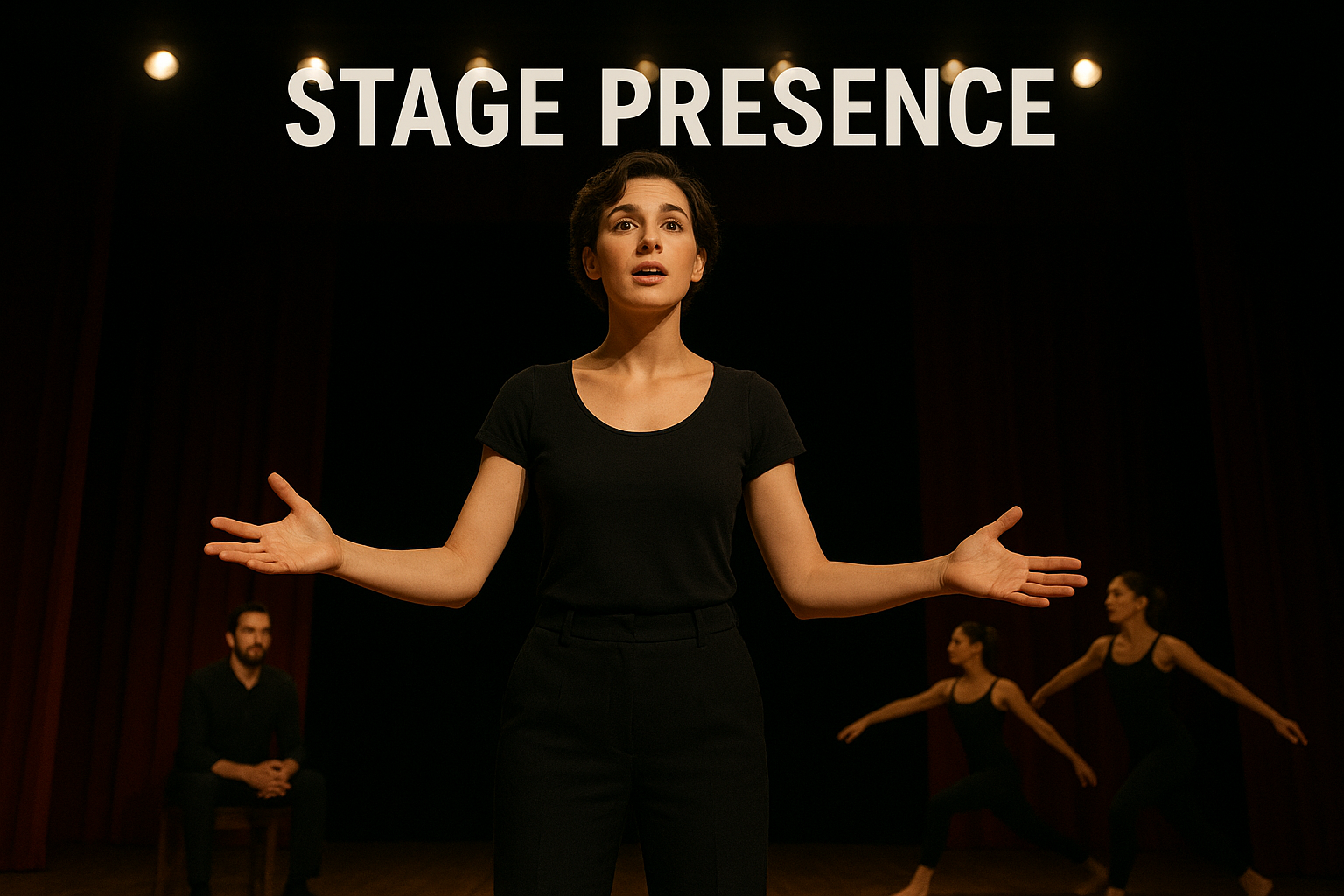
When you're watching a performance—a riveting play, a compelling film scene, or a thrilling dance number—you've likely noticed that some performers seem able to draw your eye automatically. Even among a large group of actors, they stand out. That intangible magnetic force is what we refer to as stage presence.
Stage presence isn't about being the most loud or flashy. It's about building a genuine connection with your audience, transmitting energy, and representing your craft in a manner that makes everyone want to continue observing. The best part is, it's not magic—you are able to learn and improve it. Let's look at what stage presence actually is and how you can build it in acting, film, and dance.
What Is Stage Presence?
Stage presence is the mixture of confidence, charisma, concentration, and emotional honesty that makes a performer interesting. It's not skill alone; there are many technically proficient performers who fail if they don't convey presence.
Imagine stage presence as the connection between your inside world (your emotions, purpose, and narrative) and the outside world (the audience receiving you). It's how you inhabit your character, move with intention, and cause people to experience what you intend.
Why Stage Presence Matters
In Theater: The stage is big, and all movements, gestures, and vocal options need to radiate meaning. Presence helps you not get lost in the background.
In Film: The close-up of the camera makes subtlety larger than life, so presence becomes more about being focused and real instead of large. A actor with presence can sustain a close-up with the eyes alone.
In Dance: Beyond performing choreography, dancers who have the quality of presence exude passion, energy, and purpose with their movement, and create the distinction between recital and performance that remains in memory.
Key Elements of Stage Presence
1. Confidence Without Ego
Confidence isn't arrogance. Real stage presence occurs when you trust that you've prepared, honor your art form, and are all in for the moment. Audiences can immediately pick up on self-doubt, but they can also pick up on when you're steady and confident.
How to develop it:
Rehearse until you have your material second nature.
Utilize visualization methods prior to performing.
Put focus away from yourself ("Am I good enough?") and towards the audience ("What do I want them to feel?").
2. Body Movement and Posture
Your body speaks before you even dance or speak. Open posture, purposeful movement, and being still at the right times hold people's attention.
In theater: Employ gestures that reflect your character's interior life.
In film: Economy of movement is very revealing on camera.
In dance: Send energy outward through lines, extension, and eye contact.
Exercise: Record yourself performing with various postures—slouched, neutral, expansive. Pay attention to how each feels and what type of presence it conveys.
3. Voice and Breath Control
Your voice is your instrument in acting and theater. Shaky or flat delivery constricts presence; controlled, resonant delivery enlarges it. Even in dance, breath ties movement to expression.
Practice:
Breathing exercises for relaxation and projection.
Reading text aloud with changing rhythms and emotions.
Utilizing pauses strategically—silence can be louder than words.
4. Emotional Resonance
Presence is an emotional thing. If you're not feeling it, they won't either. Authenticity is more visible than technique.
Tip: Don't "act" feelings; instead, relate to the situation of your character or the narrative of the dance. Seek parallels from your own life to connect your performance with.
5. Concentration and Vitality
Energy is not just physical, it's mental. A performer with stage presence remains focused in the moment, unrattled by distractions. They exude focus, which makes them magnetic.
Examples:
An actor who remains in character, even when others drop out.
A dancer whose energy and eyes never waver, even during shifts.
A movie actor whose stillness is alive, not vacant.
6. Connection with the Audience
Stage presence is relational—it doesn’t exist in a vacuum. Whether in a packed theater, a dance showcase, or on film, you’re performing for someone.
In theater and dance: Eye contact and facial expression help bridge the gap.
In film: Presence comes from imagining the audience in the lens of the camera.
Reminder: It’s not about performing at people—it’s about performing for them.
Practical Ways to Develop Stage Presence
Record and Watch Yourself
It's painful, but seeing yourself on tape makes you aware of habits: Do you squirm? Not make eye contact? Come on stiffly? Being aware is the beginning of change.
Practice Mindfulness
Stage presence is being in the moment. Warm-ups such as meditation, breathing, or even tuning in to sensory information prior to a show bring you back to center.
Take Improv Classes
Improvisation makes you respond in the moment, learning spontaneity, flexibility, and real connection.
Observe the Greats
Observe great actors, dancers, and performers. See how they embody stillness, how they move, how they employ silence, and how they change energy.
Practice Physical Conditioning
In dance particularly, endurance and power enable you to project energy steadily. In acting, a healthy, relaxed body grants you freedom of expression.
Connect With Your Audience
Whether by making eye contact, breaking the fourth wall, or just radiating energy outwards, keep in mind that your performance is a dialogue, not a monologue.
Common Errors That Destroy Stage Presence
Overacting or Overdancing: Working too hard feels artificial or desperate. Presence is about being real, not excessive.
Disregarding Stillness: Excessive movement dissipates impact. A strategic pause or sustained pose can be potent.
Self-Consciousness: Fretting over what you look or sound like takes you out of the moment.
Lack of Commitment: Half-hearted effort comes across as disinterest. If you don't care, neither will your audience.
Stage presence isn’t a mysterious talent that only a chosen few possess. It’s a skill—a combination of awareness, practice, and connection—that any performer can develop. Whether you’re acting on stage, dancing in an audition, or facing the camera, presence is about owning the moment fully and truthfully.
Keep in mind: individuals aren't attracted to perfection; they're attracted to authenticity. The actors we most recall are the ones who let us glimpse something authentic in them—joy, vulnerability, strength, or passion. If you connect with the story, feel the emotion, and connect with your audience, your stage presence will happen on its own.
So the next time you take the stage, before the camera, or onto the dance floor, don't simply perform—command the space, touch the audience, and make them feel the spark that is unique to you.



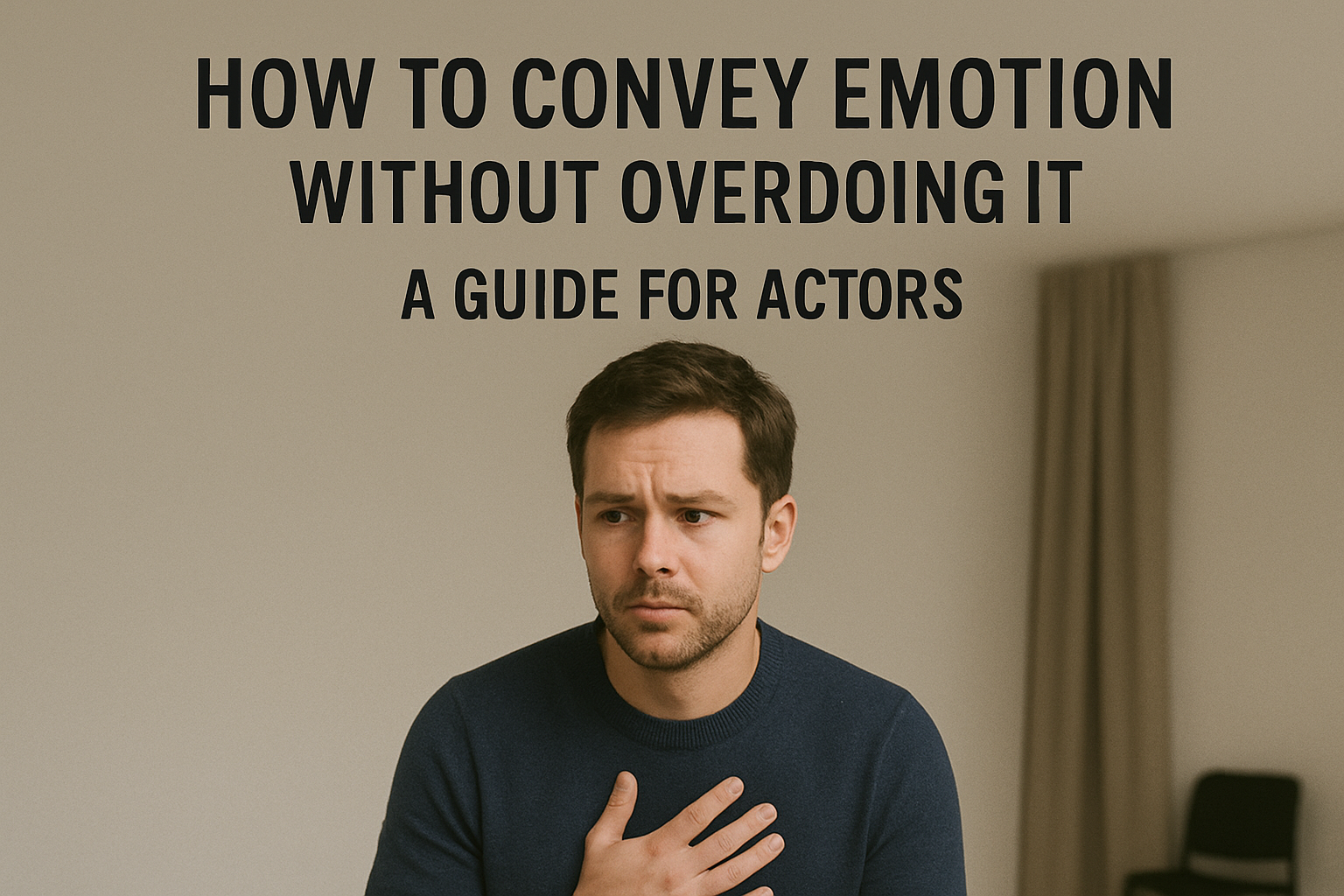
Among the tough battles actors face is how to find the most appropriate balance between emotion display and overacting, either on stage, on camera, or when going for auditions. Many performers fear that without adequate emotions, the moment will fall flat. On the other hand, if emotions are overt, the performance may become exaggerated or not true to life.

The entertainment sector is witnessing a huge shift, and the epicenter of this revolution is digital media. Those days are long gone when acting careers were reserved for silver-screen movies or television. Now, web series and digital media such as Netflix, Amazon Prime, Hotstar, YouTube, and MX Player have opened up the floodgates of opportunities for thespians. But what does it actually mean to be an actor in the digital age? Is it all that different from acting in the past? And why do web series prove so engaging as a platform for new and established performers?
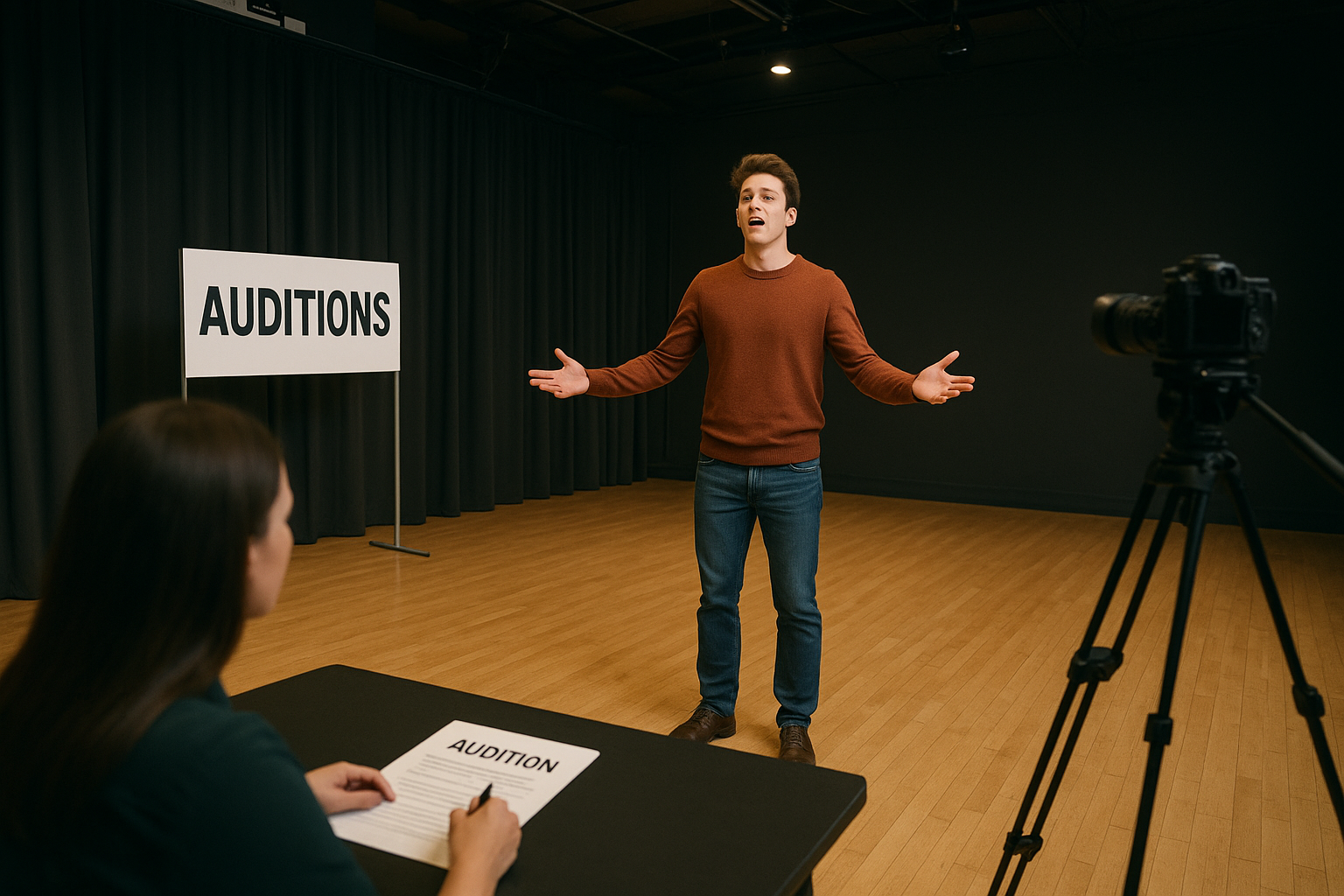
Acting may be an art, but in the world of professional performance, it begins long before the cameras roll or the stage lights shine. It begins with the audition — the often nerve-wracking, unpredictable process that determines whether an actor even gets the chance to perform. For aspiring actors, understanding the relationship between auditioning and acting is not just important — it's essential. One feeds into the other, and together, they shape an actor’s growth, resilience, and ultimate success.

Getting into acting is hard — but succeeding as a freelance actor might be harder. Without the support of a large agency, production company, or manager, you're basically a sole proprietorship. You're the product, the marketer, the promoter, and the brand. So how do you become visible? How do you promote yourself as a freelance actor among so many talented individuals? Whether you're new to the game or wanting to level up, this guide will take you through essential strategies to create visibility, bring in opportunities, and establish yourself as a player in the cutthroat industry of freelance acting.
Lights Camera Audition!
Don't miss out on the latest updates, audition calls, and exclusive tips to elevate your talent. Subscribe to our newsletter and stay inspired on your journey to success!