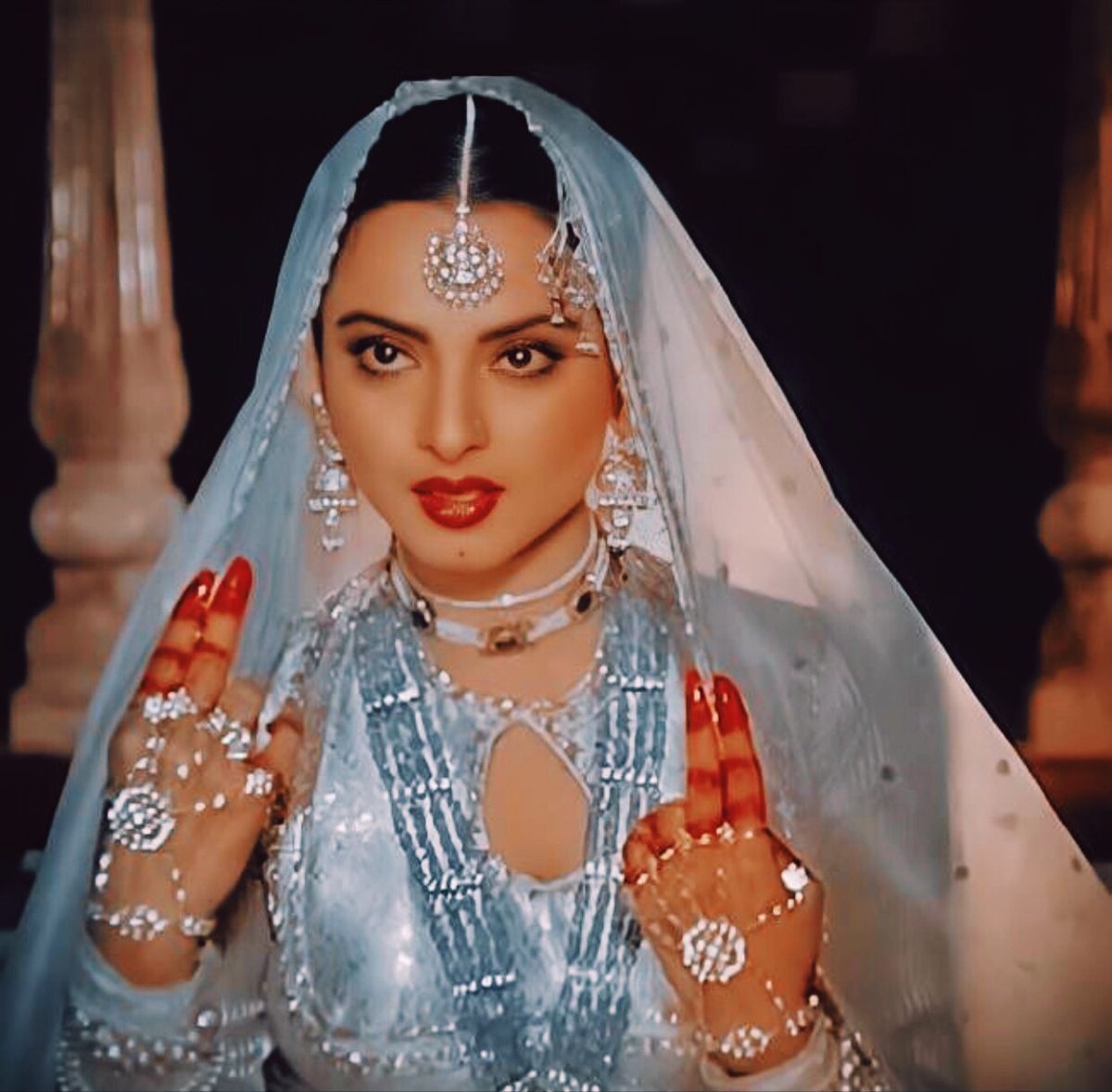
On October 10, the Indian film industry celebrates the birthday of one of its most legendary stars, and it's time to look back at the life and work of Rekha — a woman whose life and career have been as intriguing as the women she portrayed on screen. From her humble beginnings to rising to become an icon of poise, beauty, and ability, Rekha remains Bollywood's most loved and elusive icon.
Early Life and Humble Origins
Rekha was born in 1954 in Chennai as Bhanu Rekha Ganesan. She is the daughter of legendary Tamil cinema actor Gemini Ganesan and Telugu film actress Pushpavalli. However, her childhood was far from a fairytale. She spent most of her early years with her mother and grandmother.
Her relationship with her father was difficult and painful, leaving a deep impact on her life. This emotional void contributed to her becoming an introverted person, often finding solace in her inner world.
Rekha was initiated into films at a tender age, first out of compulsion. She debuted as a child artiste in the Telugu film Rangula Ratnam (1966) and entered the Hindi filmdom with Sawan Bhadon in 1970. Then, she was routinely accused of being dark, with a less-than-perfect Hindi and "unconventional" looks. But Rekha was not one to disappear from the scene. She reinvented herself altogether — mastering the language, overhauling her body, and practicing her craft until she had become a force to be reconsiders.
Reinvention and Rise to Stardom
The early 1970s witnessed Rekha's transformation — physical, emotional, and artistic. She started picking up better roles and working with top directors. Her beauty was not all about transformation; she grew up to be a good actor, one who could play a variety of emotions.
Her work in movies such as Ghar (1978), in which she featured as a rape survivor attempting to restart her life, and Muqaddar Ka Sikandar (1978), in which she acted as the ill-fated courtesan Zohra, made her a strong performer. Nevertheless, it was in Hrishikesh Mukherjee's Khubsoorat (1980) that she gained a huge popularity boost. She received her first Filmfare Award for Best Actress playing a free-spirited girl who injects life and turmoil into a conservative family.
Rekha and the Silver Screen Magic
During the 1980s, Rekha found her footing with a remarkable run of performances that drew a balance between mainstream popularity and artistic respectability. She played from tough, independent women to doomed lovers, and sometimes, the quintessential Bollywood heroine.
Her portrayal of a courtesan in Muzaffar Ali’s Umrao Jaan (1981) is often cited as her magnum opus. Rekha's nuanced performance, along with her mastery of Urdu diction, dance, and classical expressions, earned her the National Film Award for Best Actress. To this day, her Umrao Jaan remains the benchmark for actresses attempting similar roles.
Some other significant films from this phase are Silsila (1981), Baseraa (1981), Utsav (1984), and Ijazat (1987), all of which only helped to consolidate her position as one of the greatest actresses of her generation.
A Life Shrouded in Mystery
Aside from her on-screen success, what has intrigued audiences and the media is Rekha's life outside the camera. Her alleged relationships — particularly with Amitabh Bachchan — have been the subject of endless rumour-mongering, although she herself has seldom spoken candidly about them. Her short-lived marriage to industrialist Mukesh Agarwal was a tragic affair, as he took his own life a year later, leaving behind a note incriminating no one.
Since then, Rekha has never married and has been fiercely guarded. She is often seen attending events by herself, famously with her trademark sindoor (vermilion) in the parting of her hair, which has inspired gossip galore. But Rekha has never allowed her private life to make her — in fact, she's made her silence into a form of strength, allowing her work and elegance to speak louder than any scandal sheet headline.
Rekha in the Modern Era
As Bollywood itself matured, Rekha was able to stay in the picture. She adapted by playing character roles in movies such as Koi. Mil Gaya (2003) and its sequel Krrish (2006), where she was a doting grandmother and a scientist. In Parineeta (2005), she featured in a cameo song performance that reminded people of her unlossened charm.
Her recent public outings — whether for award shows or fashion affairs — are always greeted with adoration. Even younger generations, who might not be familiar with her classic movies, know her as a representation of classic beauty and grace.
Style Icon and Cultural Influence
Rekha's influence on Indian cinema is not restricted to acting. She has been a fashion icon for years — famous for her grand Kanjeevaram saris, dramatic makeup, and regal attitude. In a lot of ways, she brought back the trend of traditional Indian clothing and showed that elegance never goes out of fashion.
Her public persona — ever immaculately groomed, articulate, and mysterious — has rendered her a compelling figure to film makers, reporters, and followers alike. Rekha doesn't enter a room; she enters — usually stealing the limelight without saying a word.
Legacy and Impact
Rekha's life is nothing less than inspiring. She fought rejection, criticism, personal heartbreak, and media intrusion — but she came out not only as a survivor, but as a legend. Her life is one of resilience, renewed reinvention, and unassuming power.
She worked in more than 180 movies, won many awards, including the Padma Shri award in 2010, and continues to be a role model for actors, particularly women, working through the tough world of films.
Rekha is not only a star — she is an emotion, a legacy, and a phenomenon. As she marks another year on earth, her impact on Indian cinema remains as permanent as ever. In the era of momentary fame, Rekha survives — enigmatic, magnificent, and unapologetically herself.
Image Credit: Pinterest



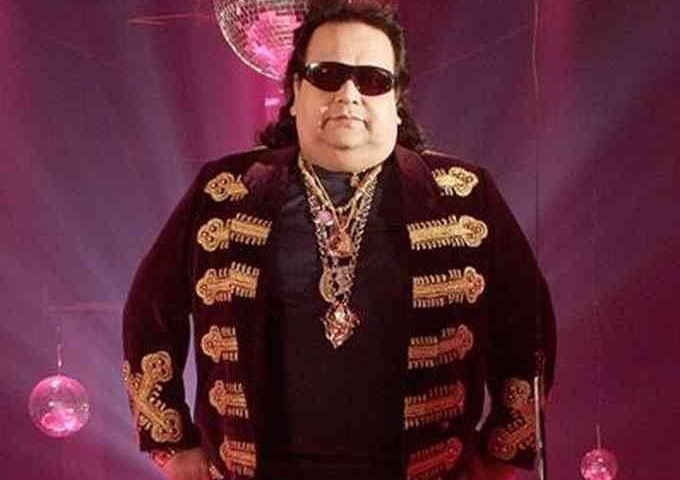
Bappi Lahiri, or affectionately called Bappi da, is one of the most effective and innovative composers in the history of Indian music. Over the course of five decades in his career, he revolutionized Bollywood with a modern, peppy sound that was never heard before. His songs captured the pulse of a changing India that was getting more vibrant, youthful, and ready to welcome global influences. Even today, years after his passing, his melodies continue to echo across generations, proving the timelessness of his genius.
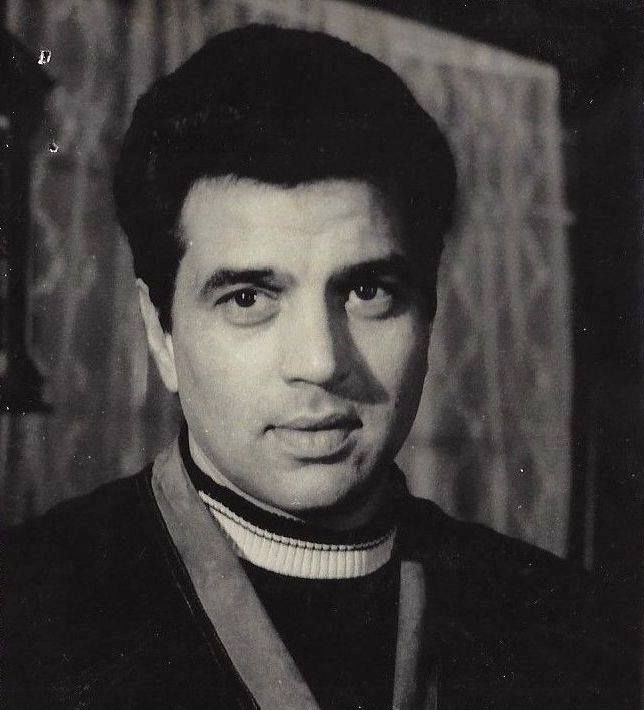
Few stars shine as luminously and as enduringly in the vast and vibrant tapestry of Indian cinema as Dharmendra, affectionately hailed as Bollywood's He-Man. Spanning decades, he remains not just an actor but an emotion, an era, and institution unto himself. From a small-town dreamer to one of the most celebrated and loved icons in film history, his journey is that of being dedicated, humble, and without doubt talented. While generations come and go, the charm of Dharmendra has remained timeless, refusing to pale even for a moment.
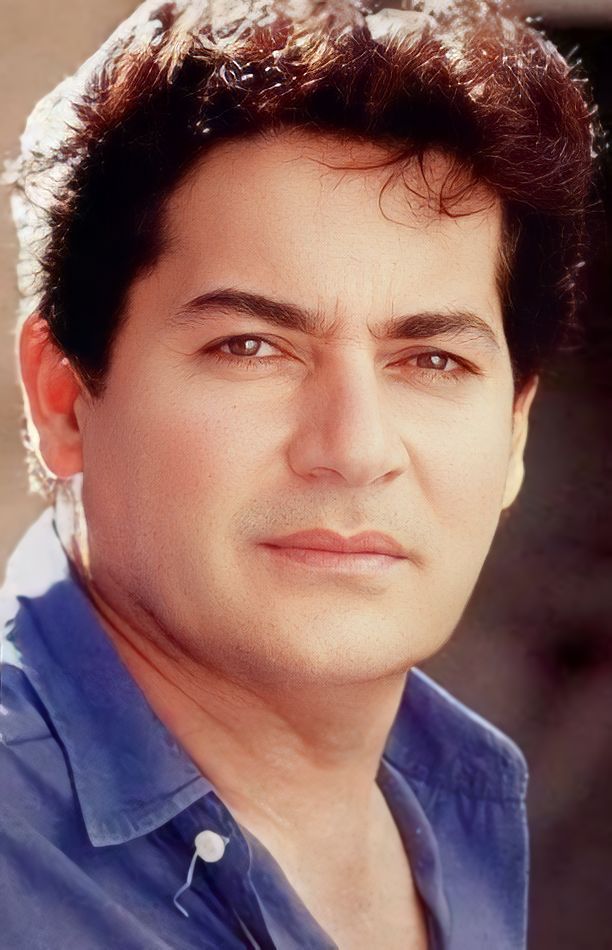
On making a mention of the icons who shaped Indian cinema, the name Salim Khan invariably comes to the top. While a lot of people today know him as the father of superstar Salman Khan, Salim Khan's journey itself in Bollywood is nothing less than extraordinary. He is among those rare personalities who transformed the very language of Hindi cinema and set new standards in storytelling.
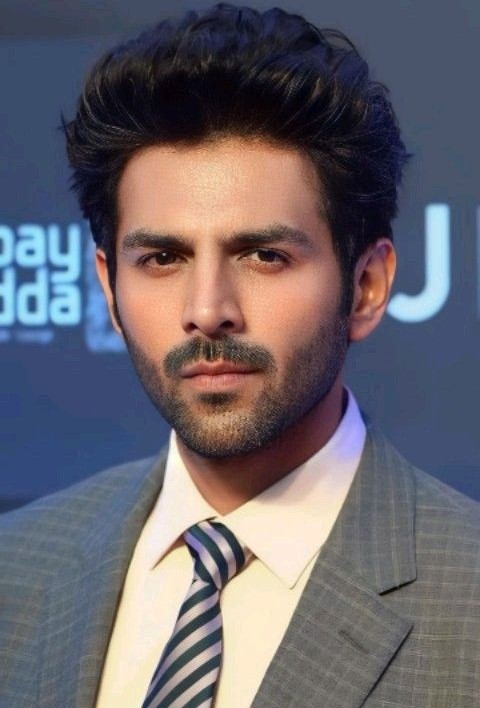
On 22 November every year, millions of fans worldwide come together to celebrate the birthday of one of Bollywood's most loved and bankable stars-Kartik Aaryan. With a career marked by sincerity, hard work, and a sparkling screen presence, Kartik has grown into a symbol of youthful ambition, middle-class determination, and cinematic charm. His journey-from a hopeful boy with dreams to a superstar who commands the screen-is not just inspiring but beautifully relatable.
Lights Camera Audition!
Don't miss out on the latest updates, audition calls, and exclusive tips to elevate your talent. Subscribe to our newsletter and stay inspired on your journey to success!