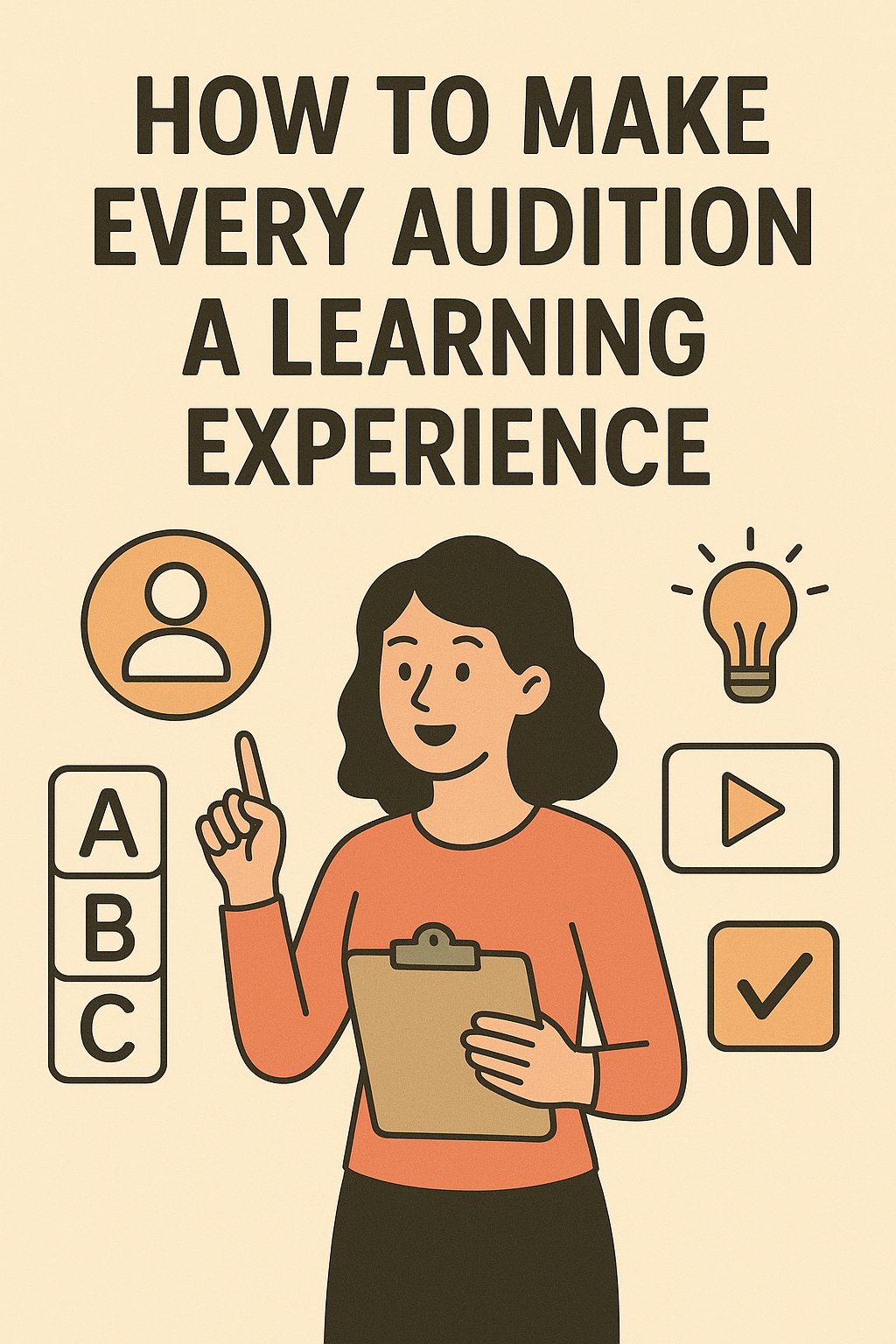
Actors tend to look at auditions as do-or-die situations—either you land the gig, or you don't. But that black-or-white thinking overlooks something very important: every audition is an opportunity to learn, regardless of whether you book the job or not.
In a cutthroat business where dozens might be competing for the same role, the truth is you won't book most of your auditions—even if you're doing everything correctly. But booking is not the only measure of success. What is under your control is how much you learn and become better with each time you enter the audition room or submit a self-tape.
Here's how to make every audition a great learning experience—one that gets you closer to your next callback, your next job, and your long-term career aspirations.
1. Use the Audition as a Mini Performance
Rather than having the thoughts, "I hope they like me", flip your attitude to:
"I get to perform today."
When you go into every audition as an opportunity to perform—even if it's for one person—you move out of the neediness space and into the creative and ownership space.
Ask yourself:
Did I fully commit to the moment?
Was I emotionally connected to the material?
Did I contribute something honest and specific?
If you can leave knowing you have given a real performance, that's a success, regardless of whether you book the job.
2. Watch Your Self-Tapes (But Don't Obsess)
Your own self-tape is one of the finest development tools in the world of auditions today. Used responsibly, your own recordings are a private acting class.
After you've sent them in:
Play back and observe critically with a generous eye.
See what's going great—your eye line, physicality, emotional transitions.
And observe where you can grow—pace, diction, listening, connection.
Don't worry or overthink each frame. You're not trying to catch yourself in error—it's learning to recognize patterns and subtly adjust them with time.
Tip: Store a folder of your best self-tapes. Not only do they reveal progress, but they can be used for reels or future applications as well.
3. Record the Direction You Were Given
If you're auditioning in person or Zoom and receive direction or a note, observe how you react. Casting directors tend to gauge your capacity to receive direction under pressure.
Ask yourself:
Did I grasp the change?
Was I malleable and receptive to change?
Did I incorporate the note while remaining honest?
Even if you stumbled a little bit, this is good data. Take it to improve adaptability and clarity for next time's auditions. Repetition with cold reading or improvisation can improve this skill.
4. Maintain an Audition Journal
This is an easy but effective habit.
After each audition, write down:
What the role/project was
How you prepared
What worked
What didn't quite work or needs tweaking
Any feedback or highlights
Along the way, you'll create a customized learning log that shows you your areas of strength, where you're growing, and even trends in the kinds of positions you're being considered for.
You may find, for instance, that you always improve when you practice with a partner—or that you speak too quickly when you're anxious. Knowing is half the battle.
5. Celebrate the Effort, Not Just the Outcome
Auditioning is work. It requires preparation, exposure, energy, and stamina. It's simple to brush off an audition as a flop if you don't receive a callback, but think about what it took to reach that point:
You were submitted or cast
You worked on material and made good decisions
You arrived with professionalism and courage
All of this counts.
Begin to celebrate your auditions as milestones in your career—not milestones merely for outcomes. Each audition serves to develop your craft, enhances your reputation, and advances you toward the appropriate role.
6. Break Down the Casting Breakdown
After auditioning, revisit the initial character breakdown or description. This provides insight into how you interpreted it compared to what casting may have been searching for.
Ask:
Did I interpret the character the way the script suggested?
Could I have leaned more into the tone or genre?
Was there a clearer or bolder choice I could have made?
This reflection doesn’t mean you were wrong—it just helps you develop stronger script analysis and better alignment in future auditions.
7. Practice Letting Go
This might be the hardest lesson of all.
You may do everything perfect and still not land the part—because you look like the producer's ex, or you're the wrong height to be on screen with the actor who plays your scene partner, or they had a look in mind that already was cast.
You'll hardly ever find out the real reason. And that's alright.
Letting go is a skill. Try to say to yourself:
"That audition was my work for today. Now I move on."
This mind training keeps you emotionally fit and avoids burnout. It also enables you to be fully present for the next job.
8. Request Feedback (When Necessary)
You won't always receive it—but at the right times, requesting feedback can be incredibly useful. If you have a good relationship with your agent or an open casting director, a simple note such as:
"Hi [Name], thank you again for the chance to audition. If there's any feedback or areas of improvement I could work on, I'd be appreciative. Either way, I appreciate being considered."
Keep it brief, polite, and open-ended.
Even if you don't get a response, you've marked your professionalism—and sometimes, casting will recall that and bring you in again.
9. Compare You… to You
It's easy to compare yourself to others—who's taking bookings, who's putting in more work, who's getting the reps. But the most valuable comparison is you vs. your previous self.
Are your auditions better now than they were 6 months ago?
Are your decisions bolder and more targeted?
Are you more chill, confident, and consistent?
That's actual growth. That's what it's all about.
In the field of acting, auditions are your most regular opportunity to practice your craft. You may not get the majority of them, but you can learn from every single one.
So rather than leaving feeling defeated, leave feeling curious:
What did I learn today?
How can I do better next time?
What did I get right that I can continue to build on?
When you approach every audition as a chance—not simply to get a job, but to learn—your entire mindset for your career changes. And in the long term, it's that mindset that will take you the farthest.



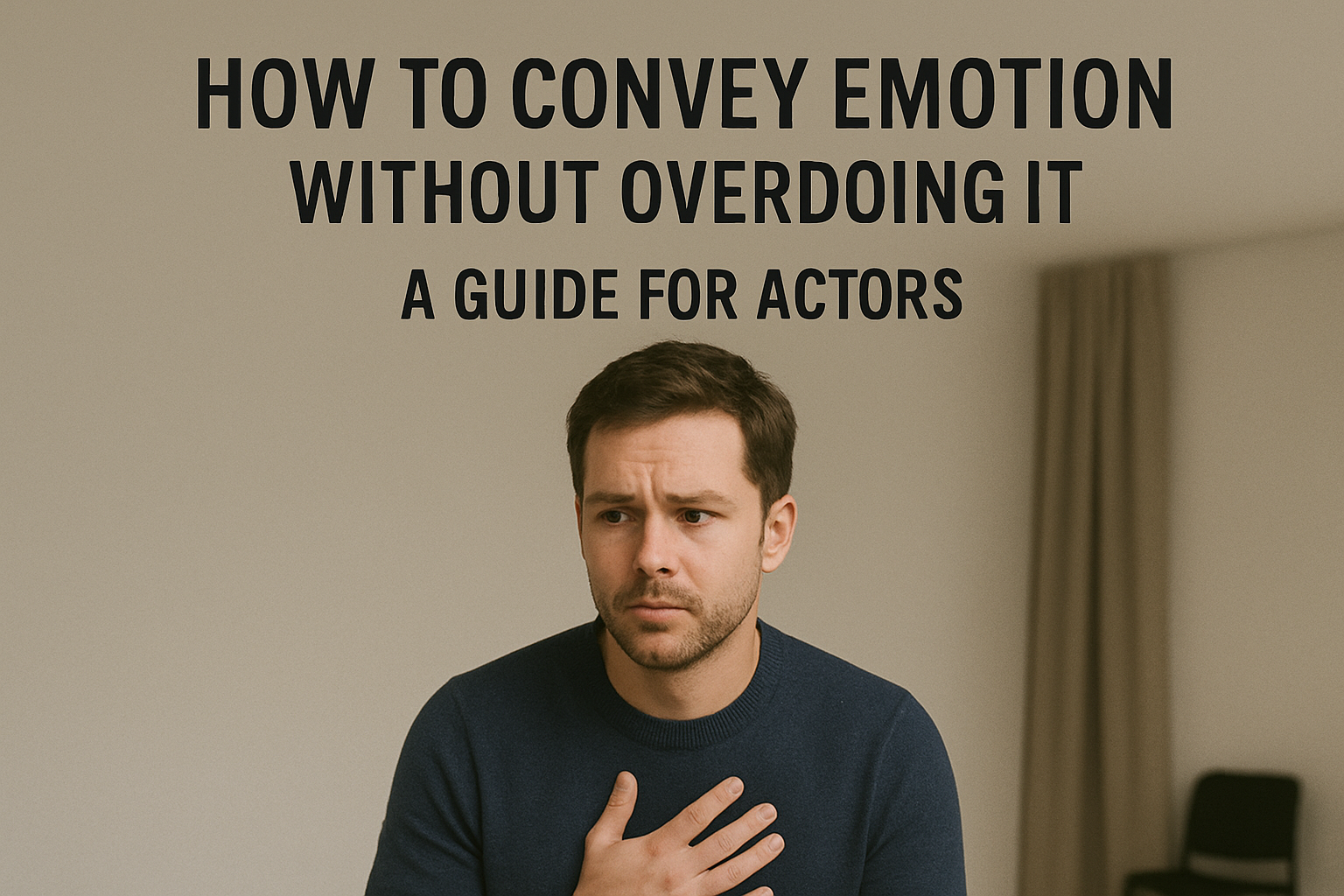
Among the tough battles actors face is how to find the most appropriate balance between emotion display and overacting, either on stage, on camera, or when going for auditions. Many performers fear that without adequate emotions, the moment will fall flat. On the other hand, if emotions are overt, the performance may become exaggerated or not true to life.

The entertainment sector is witnessing a huge shift, and the epicenter of this revolution is digital media. Those days are long gone when acting careers were reserved for silver-screen movies or television. Now, web series and digital media such as Netflix, Amazon Prime, Hotstar, YouTube, and MX Player have opened up the floodgates of opportunities for thespians. But what does it actually mean to be an actor in the digital age? Is it all that different from acting in the past? And why do web series prove so engaging as a platform for new and established performers?
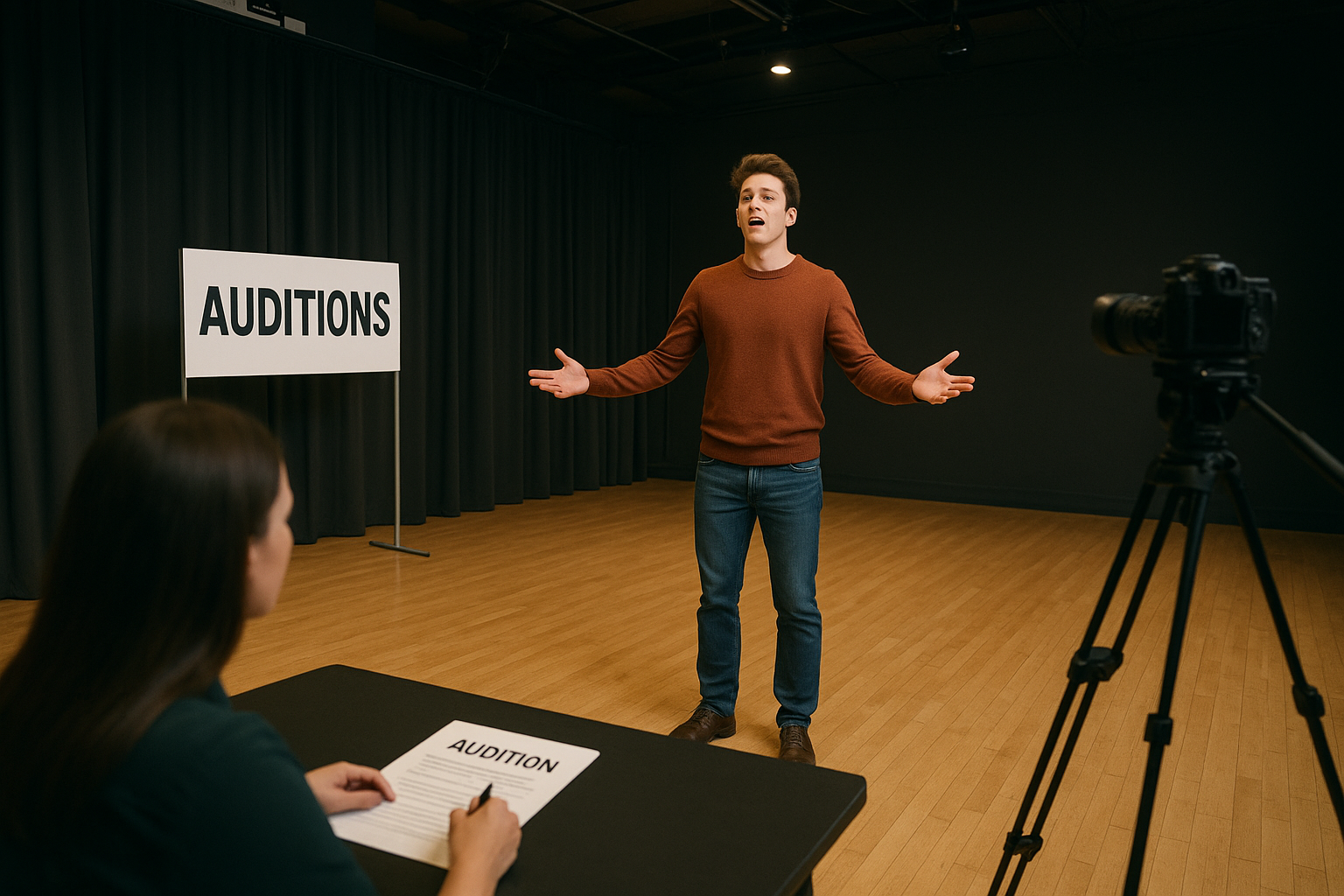
Acting may be an art, but in the world of professional performance, it begins long before the cameras roll or the stage lights shine. It begins with the audition — the often nerve-wracking, unpredictable process that determines whether an actor even gets the chance to perform. For aspiring actors, understanding the relationship between auditioning and acting is not just important — it's essential. One feeds into the other, and together, they shape an actor’s growth, resilience, and ultimate success.

Getting into acting is hard — but succeeding as a freelance actor might be harder. Without the support of a large agency, production company, or manager, you're basically a sole proprietorship. You're the product, the marketer, the promoter, and the brand. So how do you become visible? How do you promote yourself as a freelance actor among so many talented individuals? Whether you're new to the game or wanting to level up, this guide will take you through essential strategies to create visibility, bring in opportunities, and establish yourself as a player in the cutthroat industry of freelance acting.
Lights Camera Audition!
Don't miss out on the latest updates, audition calls, and exclusive tips to elevate your talent. Subscribe to our newsletter and stay inspired on your journey to success!